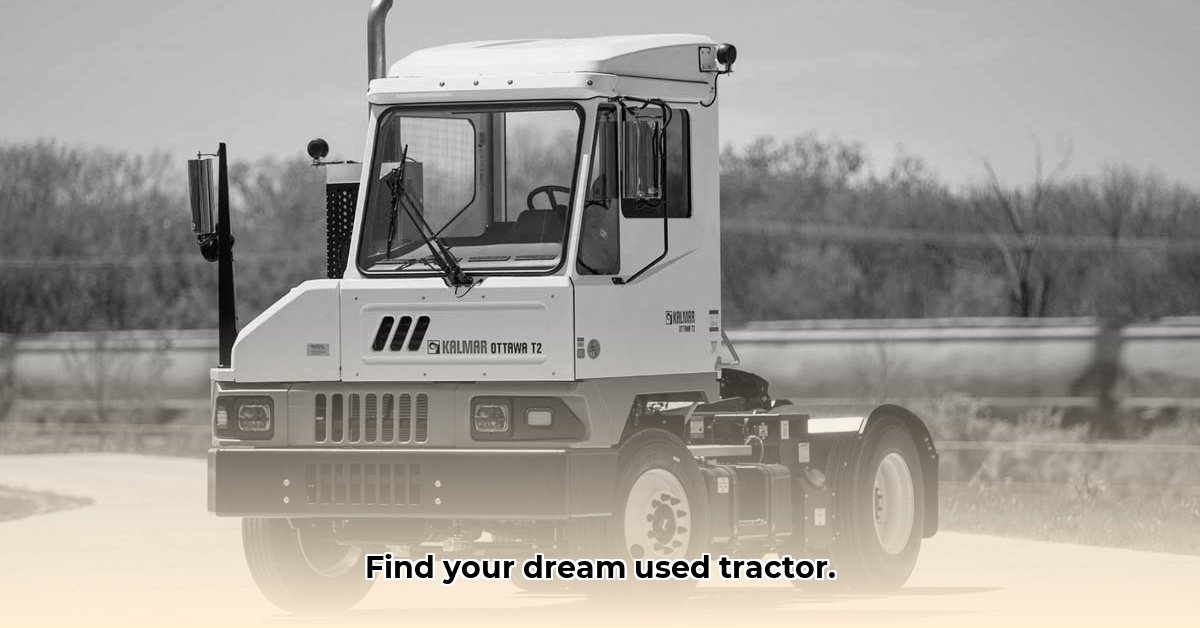
Finding the right used tractor can be a game-changer for your sustainable farm. Used tractors offer significant cost savings and reduce the environmental impact of new equipment manufacturing, making them an attractive option for environmentally conscious farmers. This guide provides actionable steps to help you navigate the used tractor market successfully. For example, check out this resource on small Kubota tractors.
Finding the Right Used Tractor for Your Needs
Before you start searching, define your needs. What tasks will the tractor perform? (e.g., tilling, hauling, planting). Knowing your workload helps determine horsepower requirements and essential features (e.g., three-point hitch, front-end loader). Consider the size of your operation; a small-scale farm might need a smaller, more maneuverable tractor than a large-scale operation. Will you need specific implements? Do your research and develop a checklist of must-have features.
Online marketplaces (like TractorHouse or Machinery Pete), agricultural equipment auctions, and local classifieds are excellent starting points for your search. However, don't rely solely on online images. A personal inspection is crucial. Remember to factor in potential repair costs; a seemingly low price can quickly escalate with unexpected maintenance.
Assessing Tractor Condition: A Hands-On Inspection
A thorough pre-purchase inspection is vital. It's like a health check for your potential new farmhand! Begin by examining the engine compartment for leaks, rust, or signs of damage. Look closely at the tires for uneven wear or damage, possibly indicating past misuse. Check all fluids (oil, coolant, hydraulic fluid) for correct levels, color, and consistency. Unusual colors or low levels can signal problems.
If possible, start the engine. Listen carefully for unusual noises (knocking, whining) which could indicate wear or more serious problems. Does it start easily and run smoothly? Does it smoke excessively? If you lack mechanical expertise, a trusted mechanic's assistance is invaluable. A pre-purchase inspection can save you significant costs in the long run.
Securing Parts and Servicing Your Tractor: Building Relationships
Maintaining an older tractor requires a proactive approach. Locate a reliable mechanic specializing in older models before you buy a tractor. This is crucial for ongoing support and maintenance. Build relationships with parts suppliers; this might include local dealerships, online forums, or even specialized salvage yards.
Consider creating a small parts inventory of commonly needed items (filters, belts, hoses). Preventative maintenance (regular oil changes, fluid checks, inspections) significantly extends your tractor's life and avoids costly repairs. A well-maintained tractor ensures smooth operation and reduces downtime.
Prioritizing Fuel Efficiency: Smart Strategies for Savings
Fuel efficiency is crucial for both your budget and the environment. Older models may be less fuel-efficient than newer ones, but their simpler design might mean easier and cheaper repairs. If you're mechanically inclined or can find a skilled mechanic, consider fuel-efficiency engine upgrades.
Simple steps like maintaining correct tire pressure, minimizing idling, and using appropriate gears for different tasks significantly impact fuel consumption. Small improvements accumulate over time, substantially reducing fuel costs and your environmental footprint.
Actionable Steps for Different Stakeholders
Sustainable tractor practices require a collaborative effort. Here's how different stakeholders can contribute:
| Stakeholder | Short-Term Actions | Long-Term Actions |
|---|---|---|
| Small-Scale Farmers | Thorough inspection, find a reliable mechanic, proactive parts sourcing, cost-benefit analysis of fuel efficiency vs. maintenance. | Explore farmer cooperatives, investigate affordable precision upgrades, seek grants and subsidies |
| Equipment Dealers | Specialize in older models, offer maintenance packages, train staff on older equipment. | Invest in an online parts marketplace, partner with sustainable agriculture organizations. |
| Government Agencies | Equipment upgrade programs, incentives for responsible tractor disposal. | Support sustainable machinery use; fund research into sustainable practices, improve parts logistics |
Mitigating Potential Risks: A Proactive Approach
Buying a used tractor involves inherent risks, but effective mitigation strategies reduce these risks significantly:
| Risk | Mitigation Strategy |
|---|---|
| Mechanical Breakdowns | Thorough pre-purchase inspection, reliable mechanic, preventative maintenance, spare parts inventory |
| Parts Sourcing Issues | Building relationships with local suppliers, using online parts marketplaces |
| High Fuel Consumption | Prioritize fuel-efficient models, explore engine upgrades |
| Lack of Modern Features | Evaluate needs, prioritize tasks that don't require advanced technology |
Conclusion: Building a Sustainable Tractor Future
Investing in a used tractor can be a financially sound and environmentally responsible choice. By following the steps outlined in this guide, you increase your chances of finding a reliable tractor that serves your farm's needs for years to come. Remember, thorough due diligence and proactive maintenance are key to long-term success and sustainable farming practices.